Disclosure: Some links on this site may be affiliate links. Gallianse may earn a commission from qualifying purchases, at no additional cost to you.
Fabric affects how underwear feels, dries, stretches, and looks under clothing. Fiber names are useful, but the blend, knit, lining, and finishing details matter just as much. Use this guide to compare materials by your routine rather than by a single claim on the label.
Cotton for familiar breathability
Cotton is widely used for gussets and everyday styles because it feels familiar and is easy to care for. It can absorb moisture, but it may also hold water longer than a quick-drying synthetic. Look for a soft knit and a blend that provides enough stretch for movement.
Modal and other regenerated fibers
Modal and similar regenerated cellulose fibers often feel smooth and drape well. They can be a good choice when softness is the priority. Check the care label carefully because heat and rough washing can affect shape retention. A blend with elastane may improve recovery.
Microfiber and performance synthetics
Microfiber and nylon-based blends are often thin, smooth, and quick to dry. They can disappear under fitted clothing and suit travel or active routines. The trade-off is that a dense synthetic knit may feel warmer for some people. Prioritize the construction and your own comfort over a generic breathability promise.
Lace is a design choice
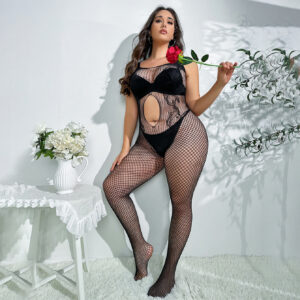
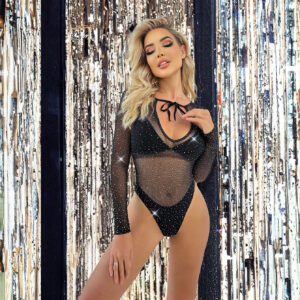
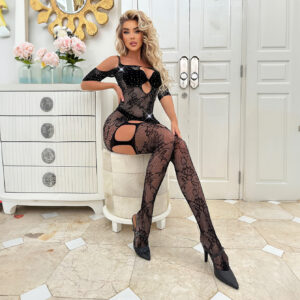
Lace can be soft and flexible when backed or lined well, but scratchy edges and rough seams are possible. Inspect photos for folded elastic, lined panels, and where the lace meets the skin. Delicate lace may need a mesh laundry bag and gentler washing.
Read the blend and care instructions
Two garments labeled cotton can behave differently because one may contain more elastane or use a different knit. Look for fiber percentages, lining content, and drying guidance. If you will machine wash and tumble dry, choose a construction intended for that routine.
Common mistakes to avoid
- Assuming a fiber name guarantees the same feel in every garment.
- Ignoring the elastane percentage and expecting permanent stretch.
- Choosing a delicate fabric without planning for delicate care.
- Treating a marketing term such as “breathable” as a technical specification.
The bottom line
Pick the material that matches your climate, clothing, and laundry habits. Compare the full blend and construction, then follow the care label so the fabric can perform as designed.